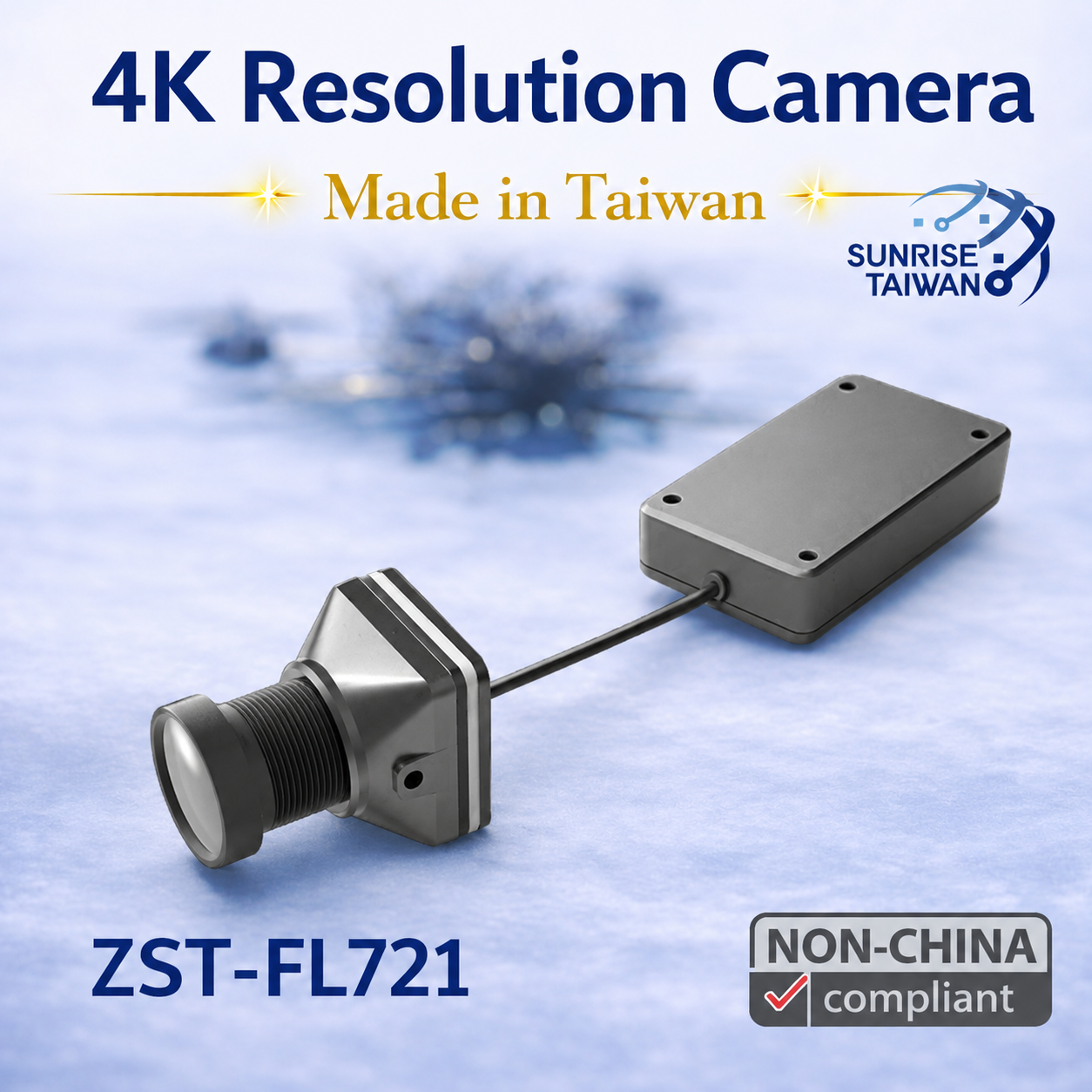
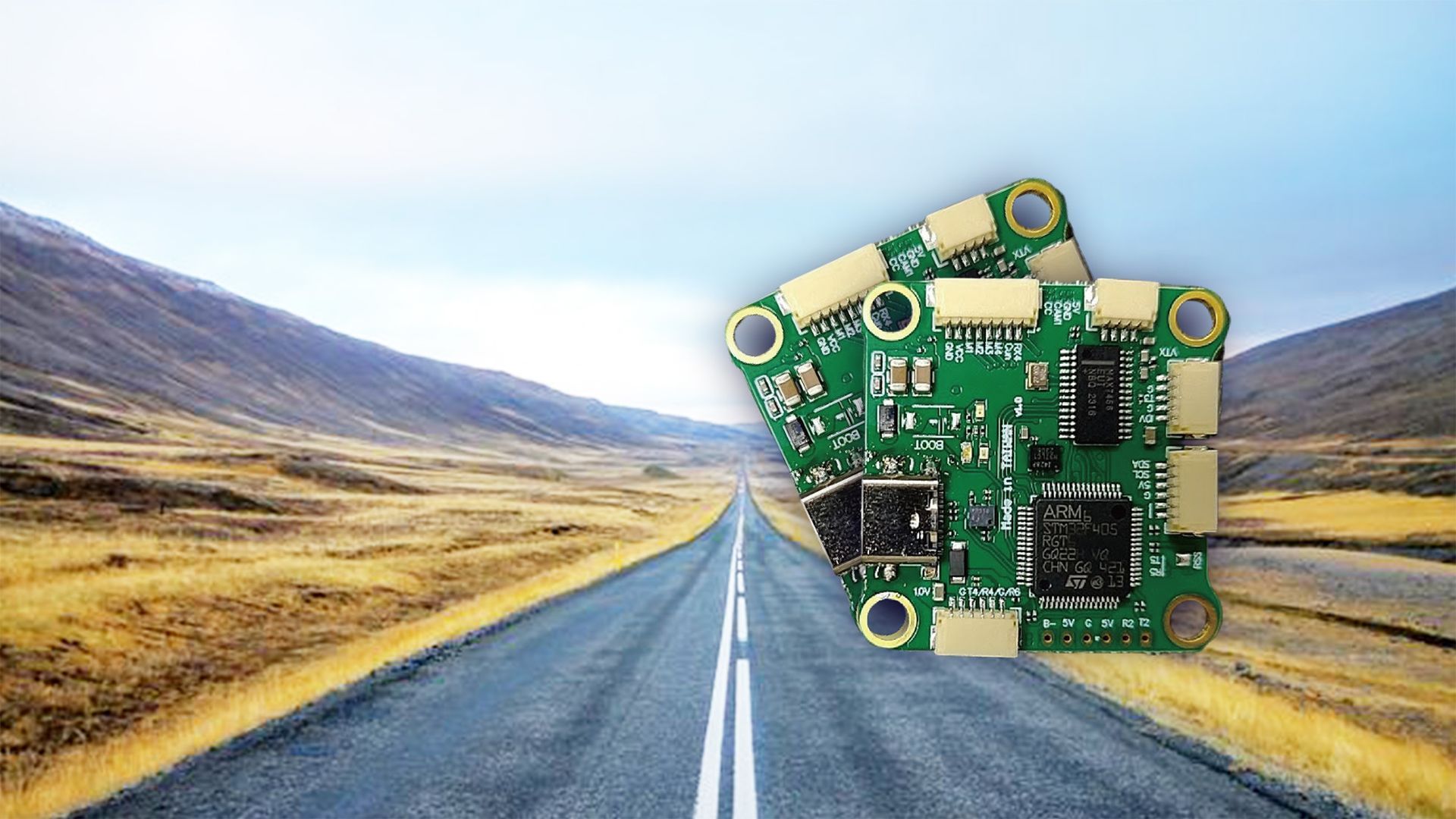
Unmatched Security and Performance for Tactical UAVs: Introducing the VIPER J1-10
September 15, 2025

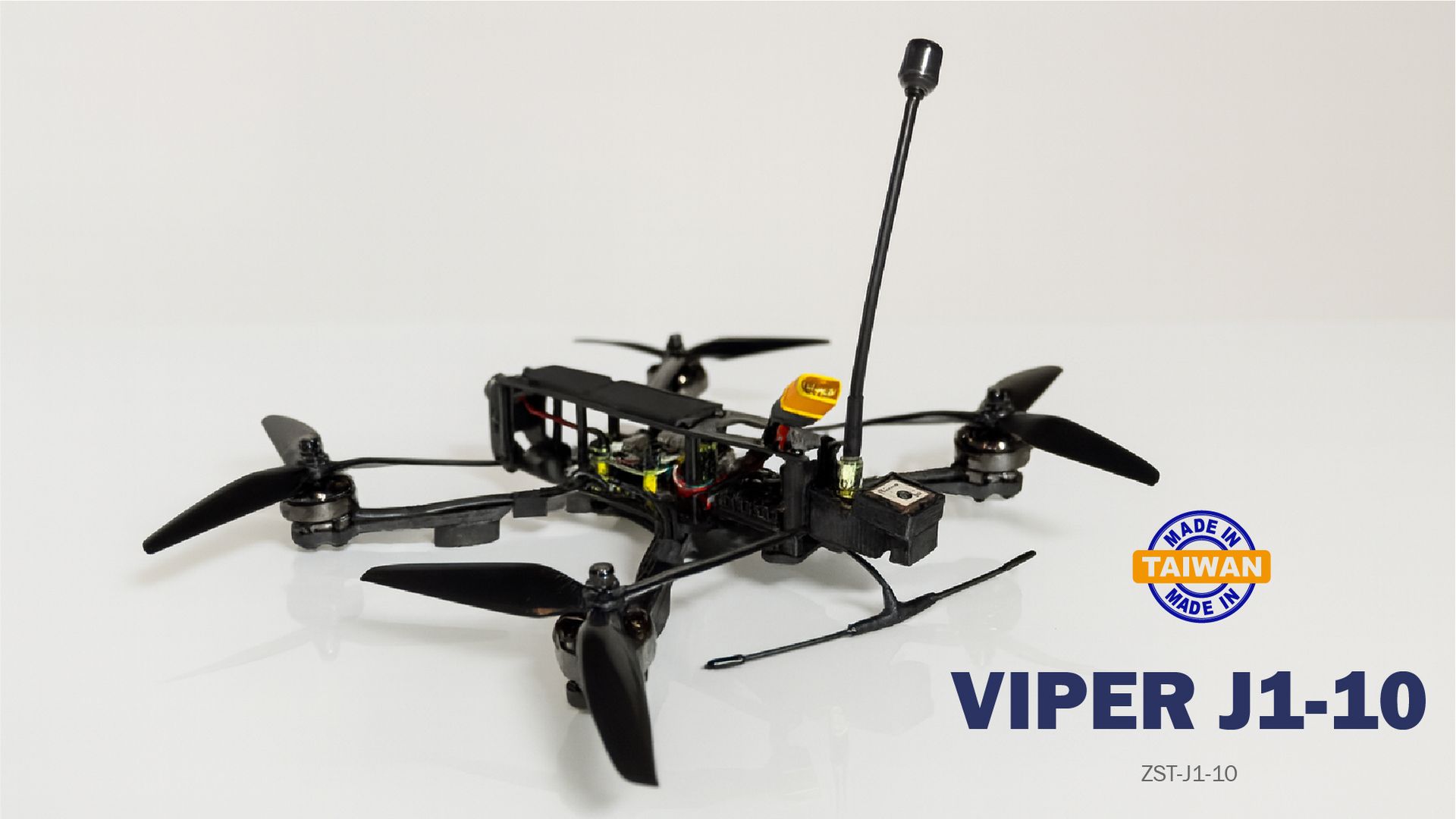
The VIPER J1-10  is Sunrise Taiwan's multirotor UAV, meticulously designed for the most demanding tactical surveillance and reconnaissance missions. 


Combining uncompromised security with robust performance, the VIPER J1-10 is built upon a foundation of 100% Made-in-Taiwan components and proprietary technology, ensuring reliability and compliance for critical operations.


Key Features


  • Secure Supply Chain:
    Exclusively non-PRC components, fully NDAA compliant. 
  • Proprietary Technology:
    In-house flight control, video transmission, and communication systems. 
  • Modular Architecture:
    Rapid payload reconfiguration for diverse mission requirements. 
  • Tactical Focus:
    Engineered for military-grade stability and adaptability. 
  • Long-Range Capability:
    14 km tactical operation range.


 Technical Specifications

  • Empty Aircraft Weight: Approx. 0.8kgw (excluding battery) 
  • Effective Payload Mass: 2.4kgw 
  • Flight Time: 15 minutes 
  • Tactical Operation Range: 14 km 
  • Cruising Speed: 60 km/h 
  • Flight Altitude: 50 - 1000 meters 
  • Frame: 10-inch Carbon Fiber / Aluminum Alloy 
  • Power Battery: 10000mAh or above


🌍 Why Choose the VIPER J1-10?

With its unparalleled commitment to a secure, Made-in=Taiwan supply chain and robust tactical performance, the VIPER J1-10 stands as the trusted choice for defense and strategic applications worldwide. Its modularity offers unparalleled mission flexibility, while its Made-in-Taiwan pedigree guarantees integrity and operational stability.


April 19, 2026
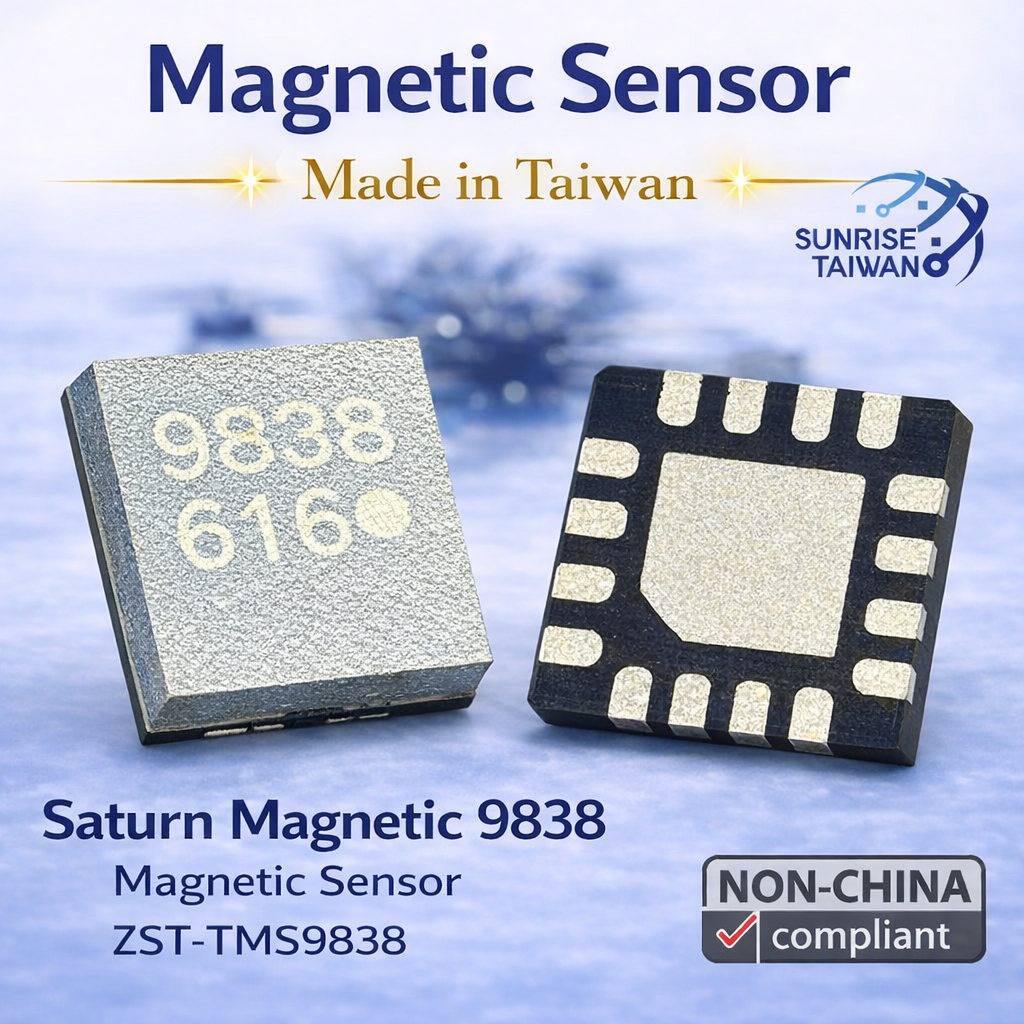
Drones are increasingly operating in environments that require highly accurate heading data. They're operating under bridges, inside warehouses, and through dense urban corridors where satellite signals bounce off every surface. Defense and public safety teams are preparing for GPS-jammed environments. Drones operating in swarms also require orientation data to avoid catastrophic collisions. In these environments, your magnetic sensor is the primary heading reference. With additional conditions such as noise, temperature variables: your GPS inevitably demands a magnetic sensor that could address these issues. Where Most Sensors Fall Short Noise: A sensor with poor noise rejection picks up that interference and feeds unreliable heading data resulting in heading jumps, toilet-bowl orbits, etc. Temperature drift: Sensors with high temperature coefficients quietly corrupt heading data as conditions change, one wouldn't be able to gauge this drift at first glance. Calibration difficulties: Hard-iron and soft-iron offsets change with every new payload configuration, and recalibrating for each one creates further inefficiencies.
April 12, 2026
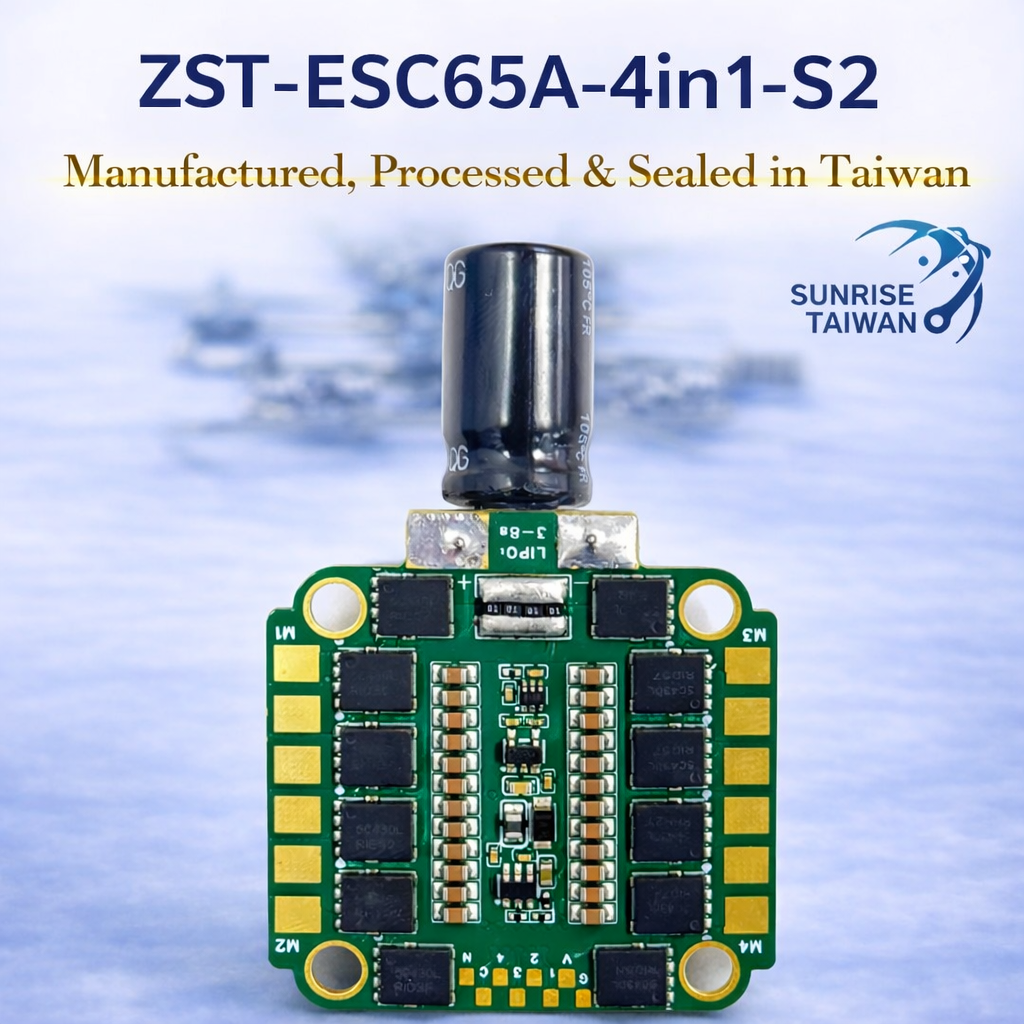
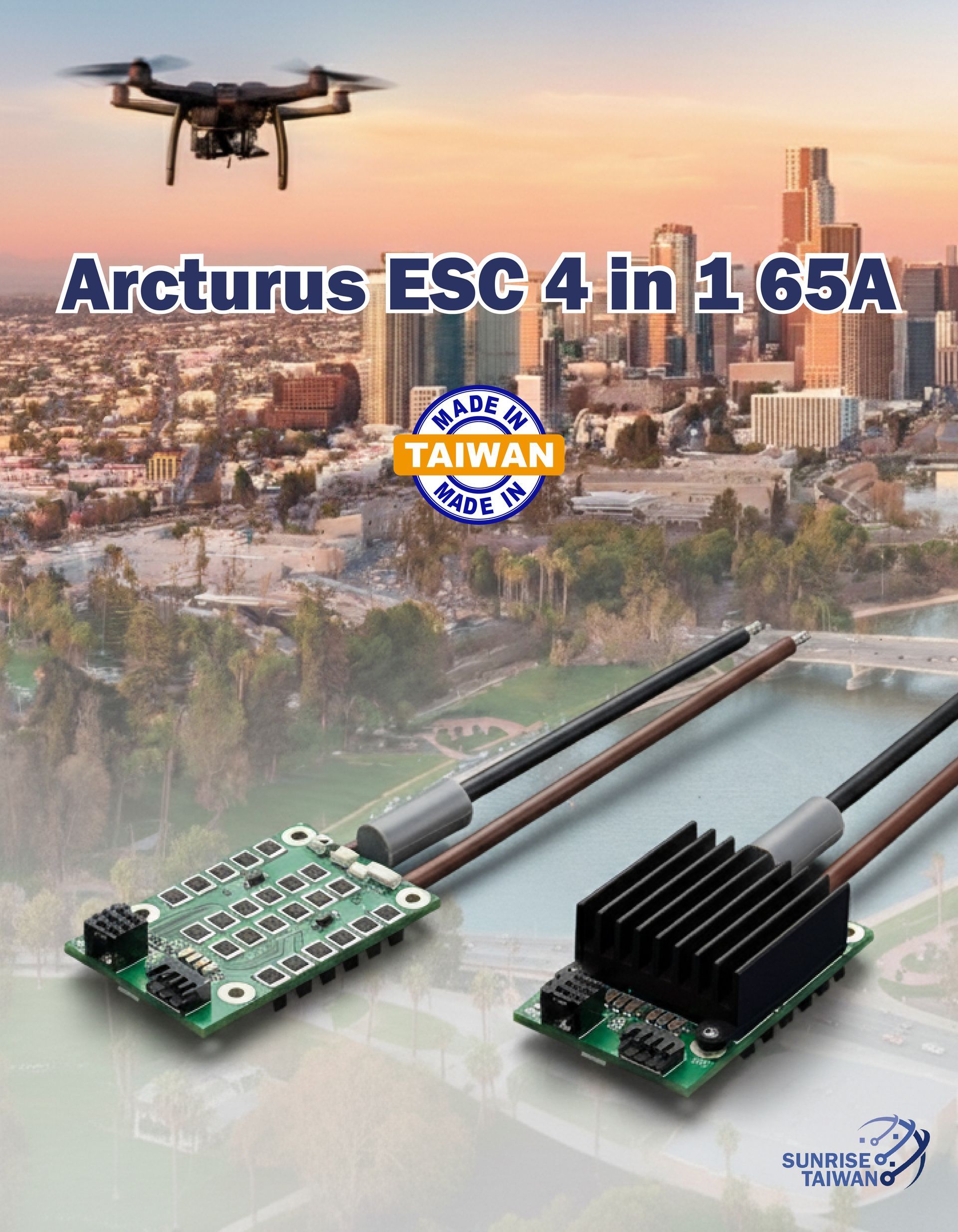
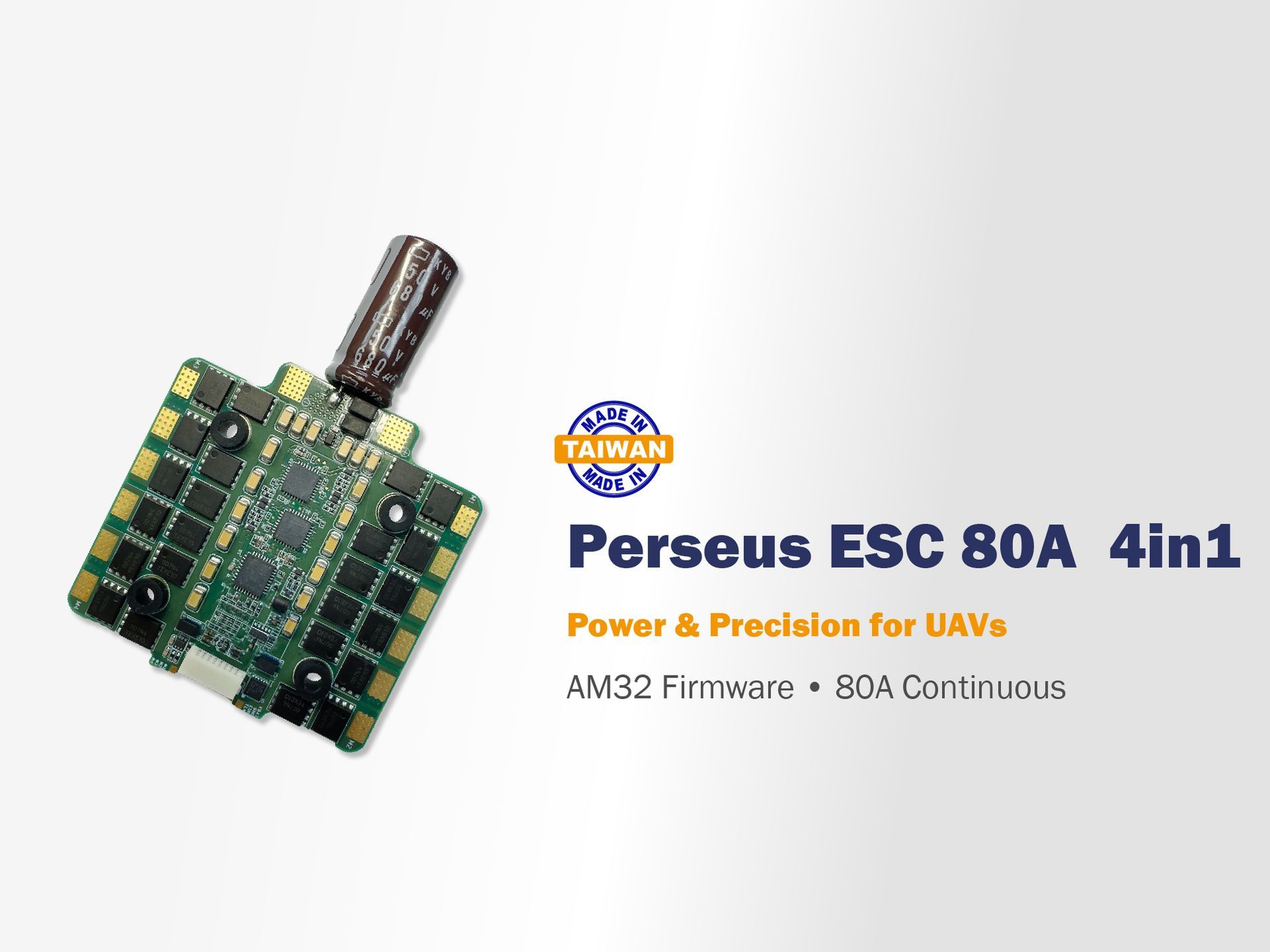
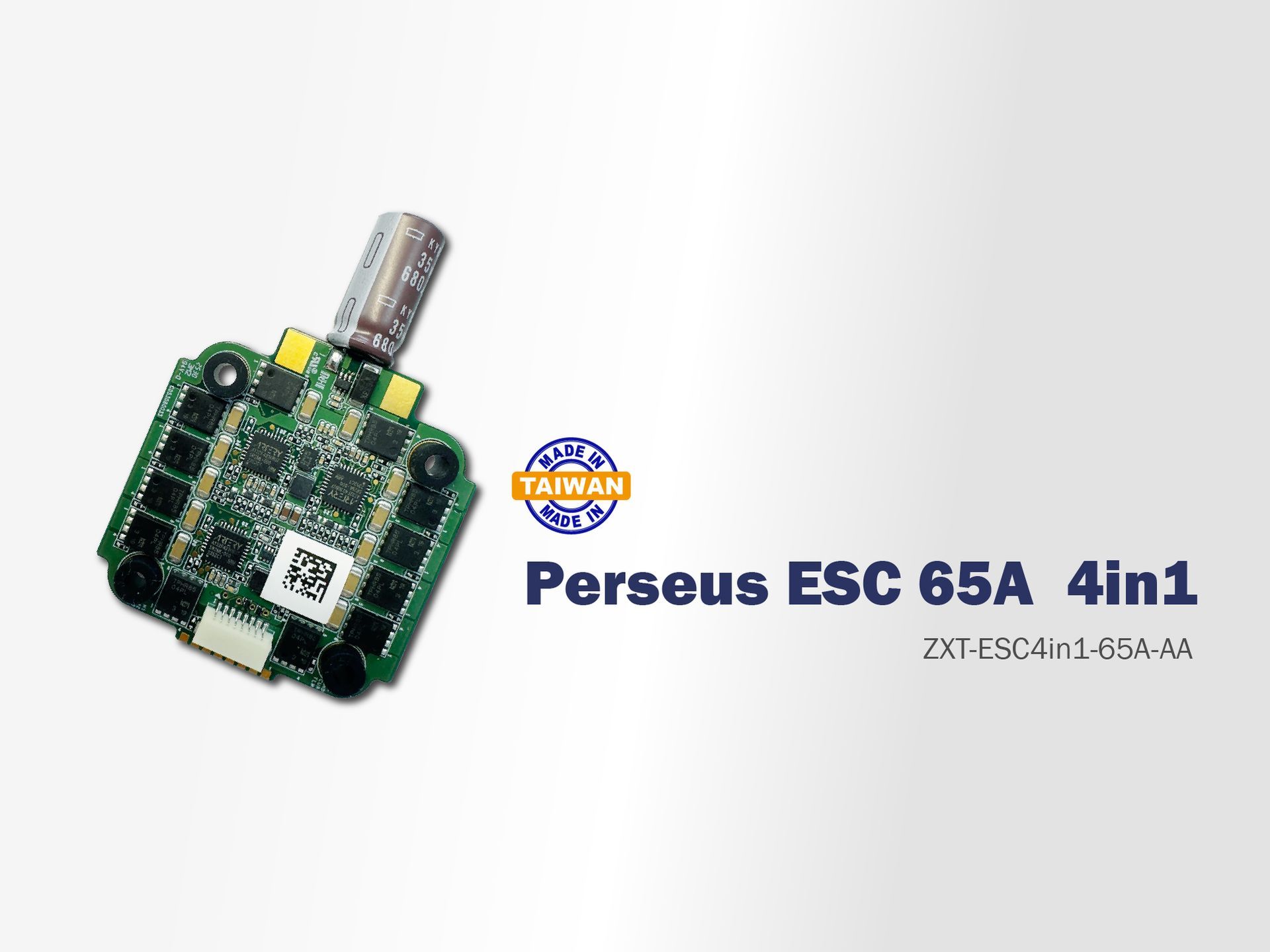
Component origin hindering your procurement effort? This importance of origin traceability and compliance will continue in 2026 as a key issue as both sides of the Atlantic have either begun or rolled out new regulations to strengthen their critical component supply chain. The American Security Drone Act (ASDA) went into full effect on December 22, 2025, since then ritical drone components have been added to the covered List ; while several EU member states have already restricted Chinese-manufactured drones in defense and public security sectors. The ZST-ESC65A-4in1-S2 including passive components is designed and manufactured, sealed entirely in Taiwan, built with AM32 firmware, thermal and over-current protection and NDAA compliant
By rosaline989 March 2, 2026
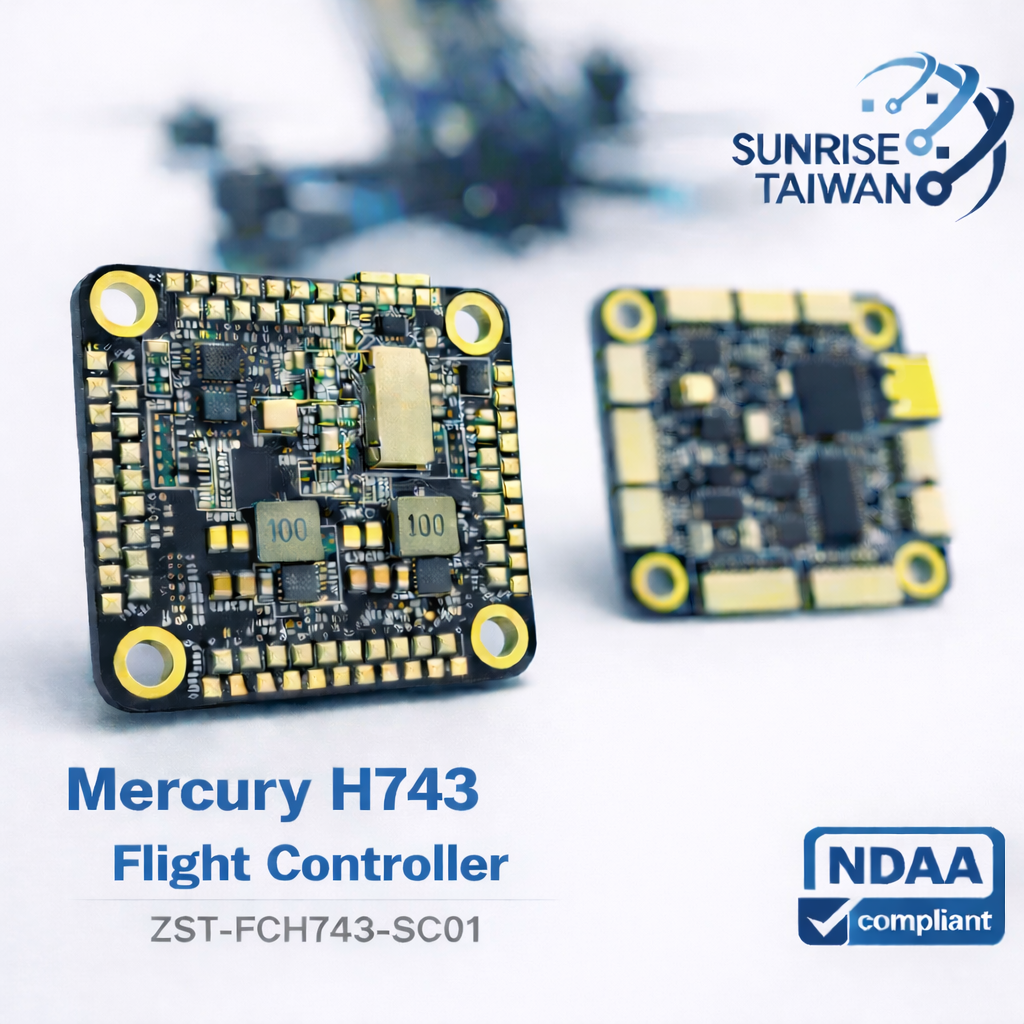
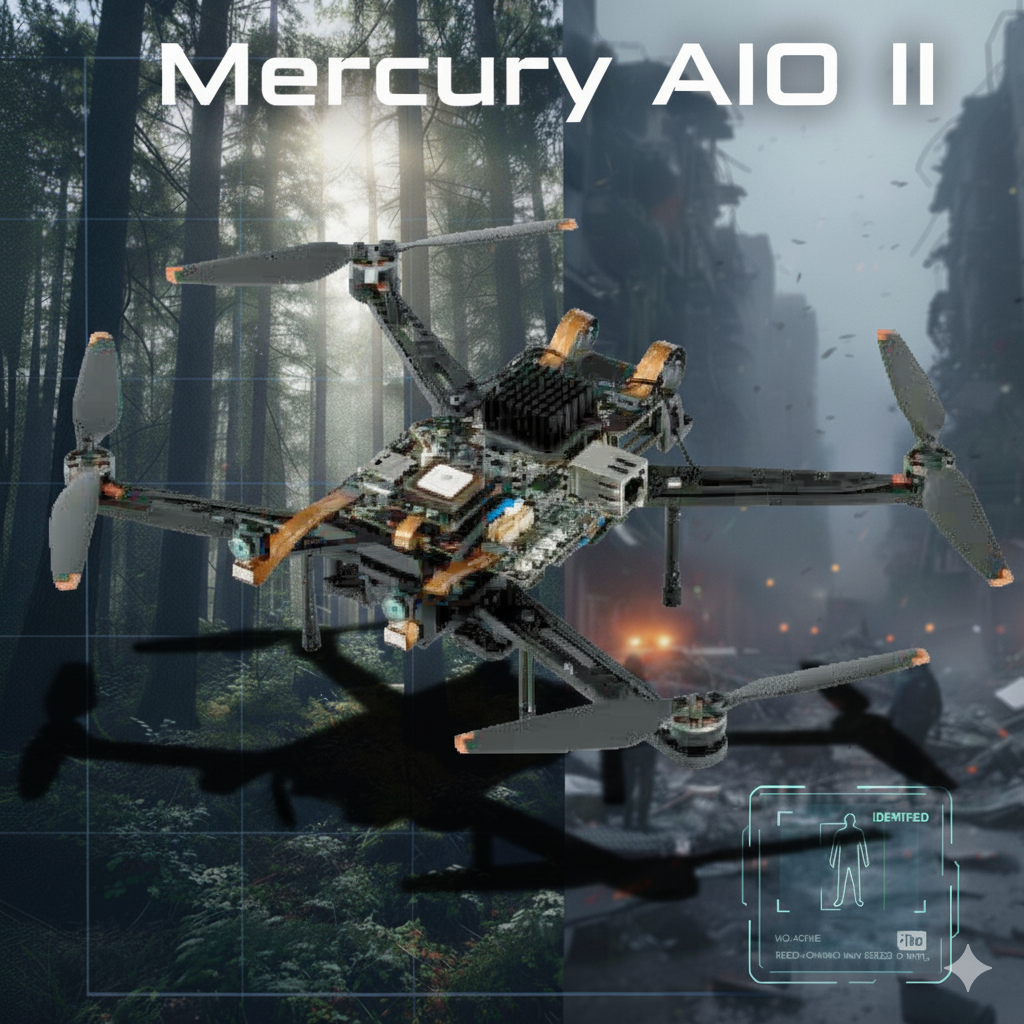
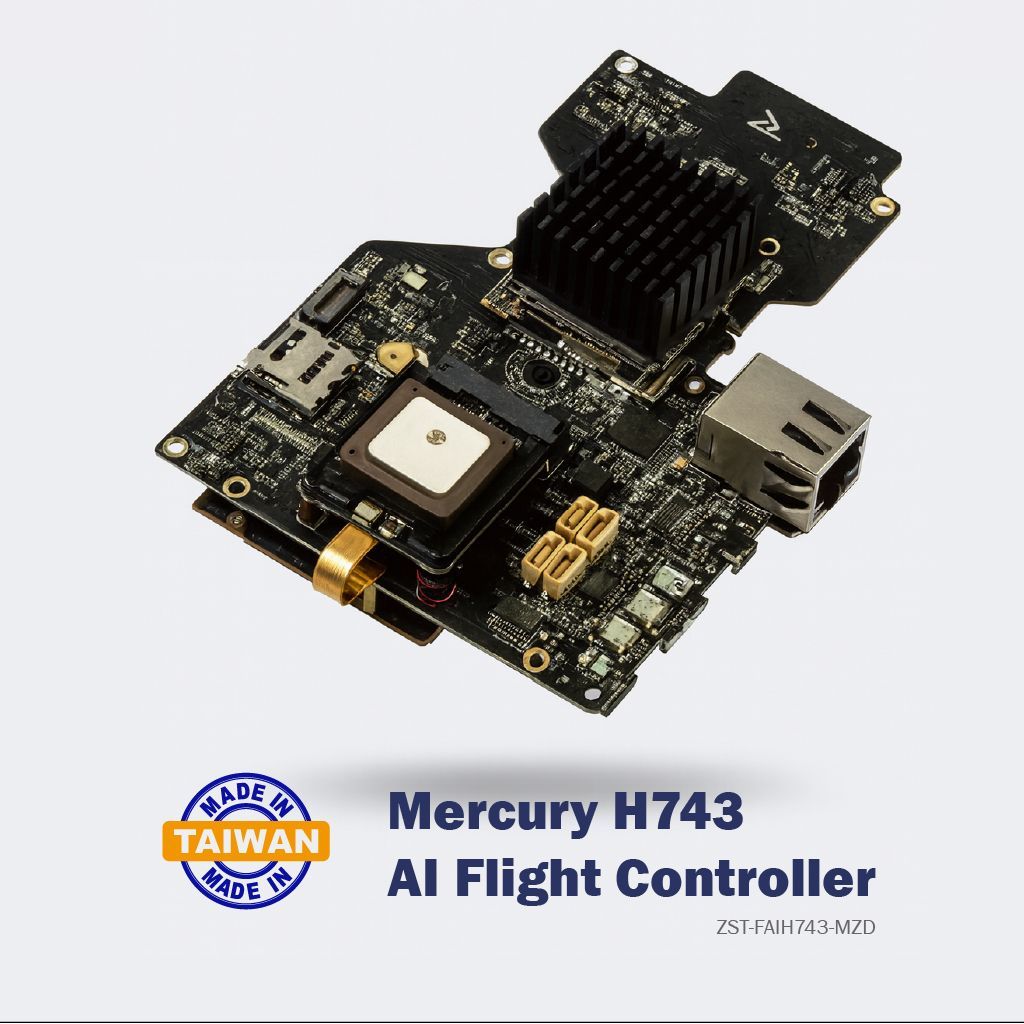
Mercury H743 Flight Controller — Technical Deep Dive & Compliance Overview
More Posts