Mercury H743 Flight Controller — Technical Deep Dive & Compliance Overview
Mercury H743 Flight Controller —
Technical Deep Dive & Compliance Overview
Product Overview
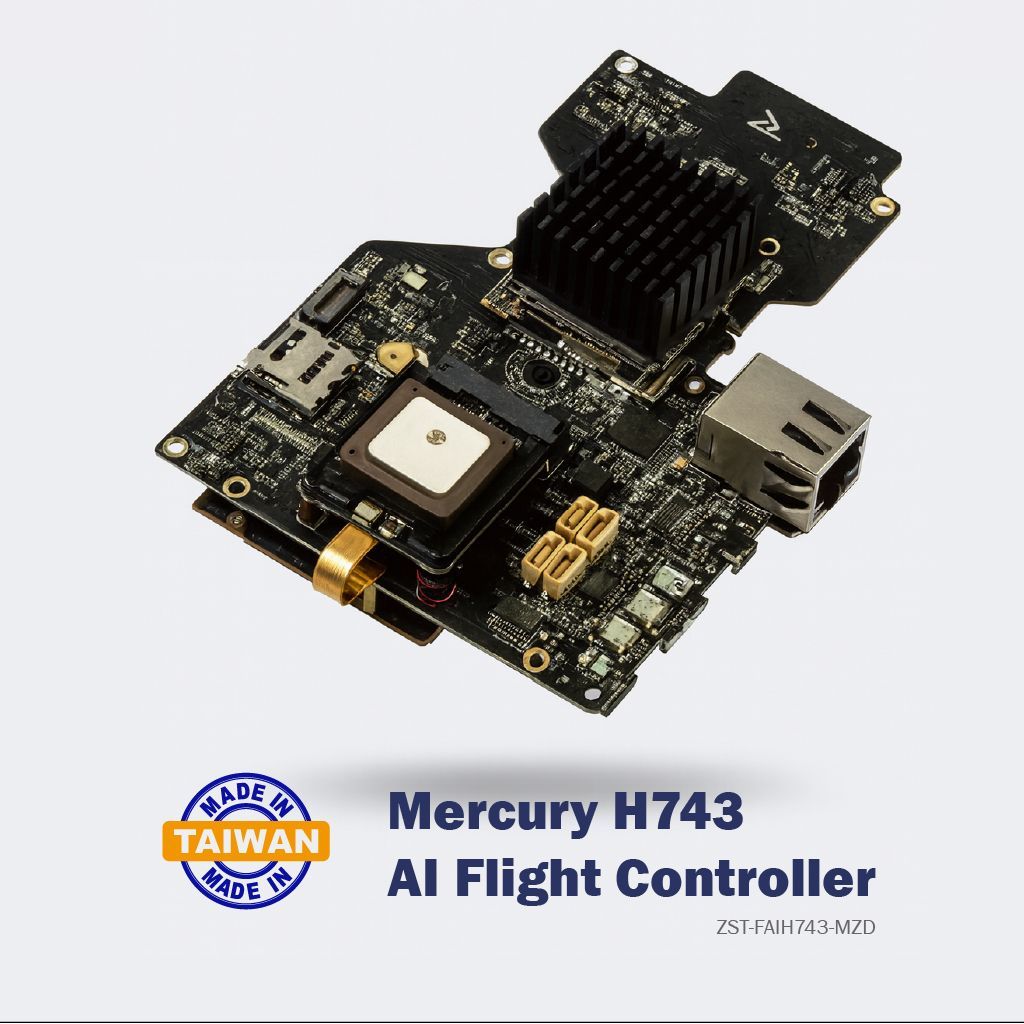
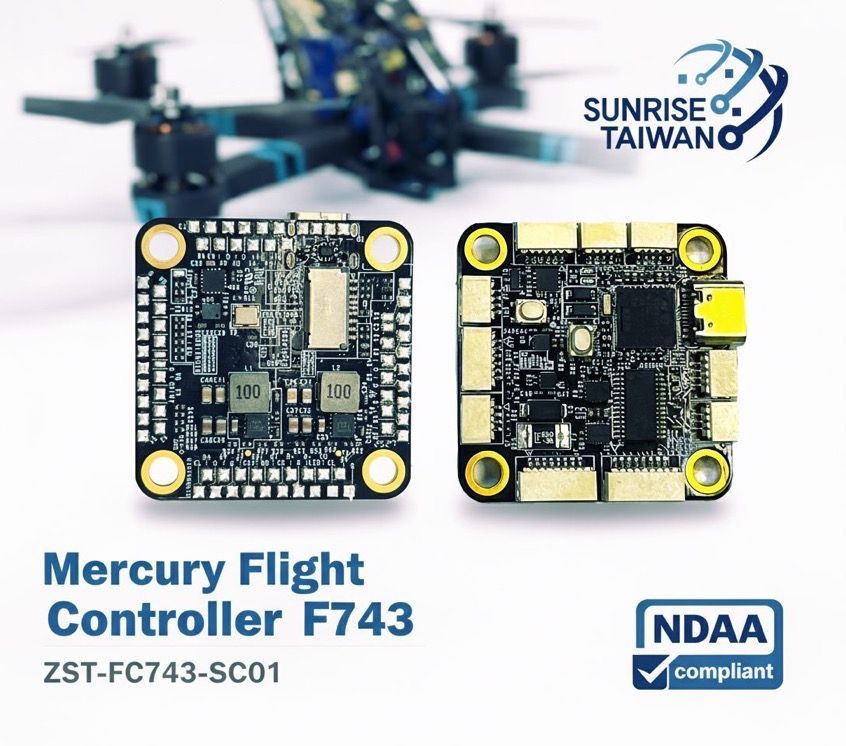
The Mercury H743 Flight Controller (ZST-FCH743-SC01) is an industrial-grade standalone flight controller designed for high-stakes UAV missions. It eliminates the need for complex carrier boards while providing high-speed processing and sensor redundancy.
High-Performance Flight Control Meets NDAA Compliance – Empowering the Next Generation of Autonomous Systems.
In an era where supply chain integrity is paramount, we introduce the ZST-FCH743-SC01, a robust flight controller engineered for mission-critical UAV applications.
Geopolitical Resilience:
100% Designed and Manufactured in Taiwan. Fully compliant with NDAA standards, providing a secure, non-adversarial supply chain for global defense and commercial sectors.
Mission-Critical Reliability:
Built on the STM32H743VIH6 (480MHz) MCU, featuring dual IMU redundancy and a separated power design to ensure flight stability in complex electromagnetic environments.
Rapid Integration:
Featuring 8x SH1.0 solderless connectors. We reduce assembly time and human error, allowing OEMs to scale production from enterprise inspection drones to tactical UAVs with ease.
Open-Source Versatility:
Seamlessly supports ArduPilot, PX4, and Betaflight, offering the flexibility needed for diverse industrial ecosystems.
[Compaison]
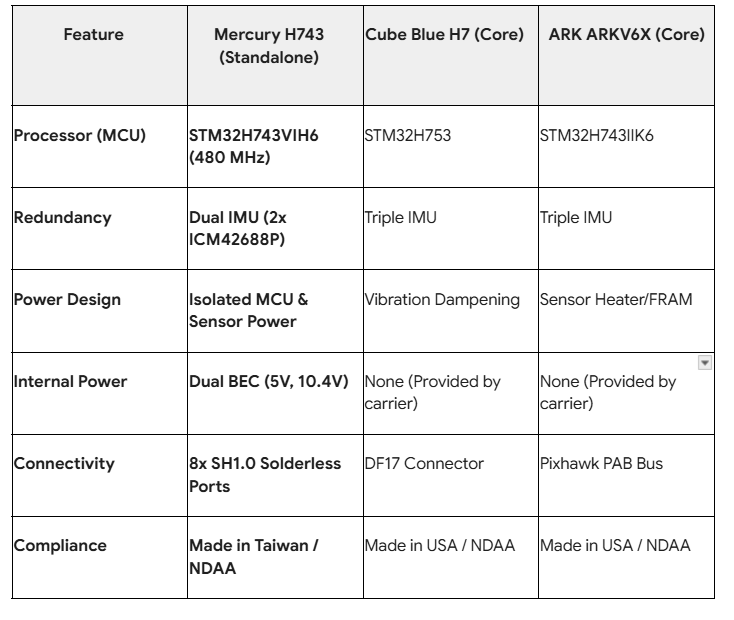
I. Technical Specifications Comparison
.
II. Global Compliance & Transparency Commitment
In response to the growing demand for secure drone technology, Sunrise Taiwan ensures full transparency across our hardware and software stack:
- Made in Taiwan (MIT): All R&D and manufacturing processes are based in Taiwan.
- NDAA Compliant: Guaranteed zero-risk components from prohibited entities.
- BOM Sourcing & Origin Declaration: We provide verified documentation for hardware provenance and component sourcing.
III. Expansion & Interfaces
- Connectivity: 7x UART, 1x CAN, 1x SPI (Dual CS), 1x I2C.
- PWM/DSHOT: 10x Channels (8x connectors, 2x solder pads).
- Onboard Sensors: High-precision Barometer (DPS310) and Magnetometer (IST8310).
- Storage: MicroSD card slot for high-fidelity flight logging.
Key Features :
* STM32H743VIH6 MCU @ 480 MHz
* 8 × SH1.0 connectors + USB port (plug-and-play, no soldering required)
* Dual power supply design (MCU and sensors separated)
* Dual IMU (ICM42688P ×2) for redundancy
* Integrated barometer (DPS310) and magnetometer (IST8310)
Dual BECs: 5 V-2 A, 10.4 V-1.5A
Interfaces & Expansion :
• UART ×7 (UART1/2/3/4/6/7/8)
• PWM/DSHOT ×10 (Ch1–8 connectors, Ch9–10 solder pads)
• CAN ×1, SPI ×1 (with dual CS), I2C ×1
• SD card slot ×1
• GPIO ×4, ADC ×5, SWD debug ×1
• On-board LED ×1, Buzzer ×1
Components & Modules
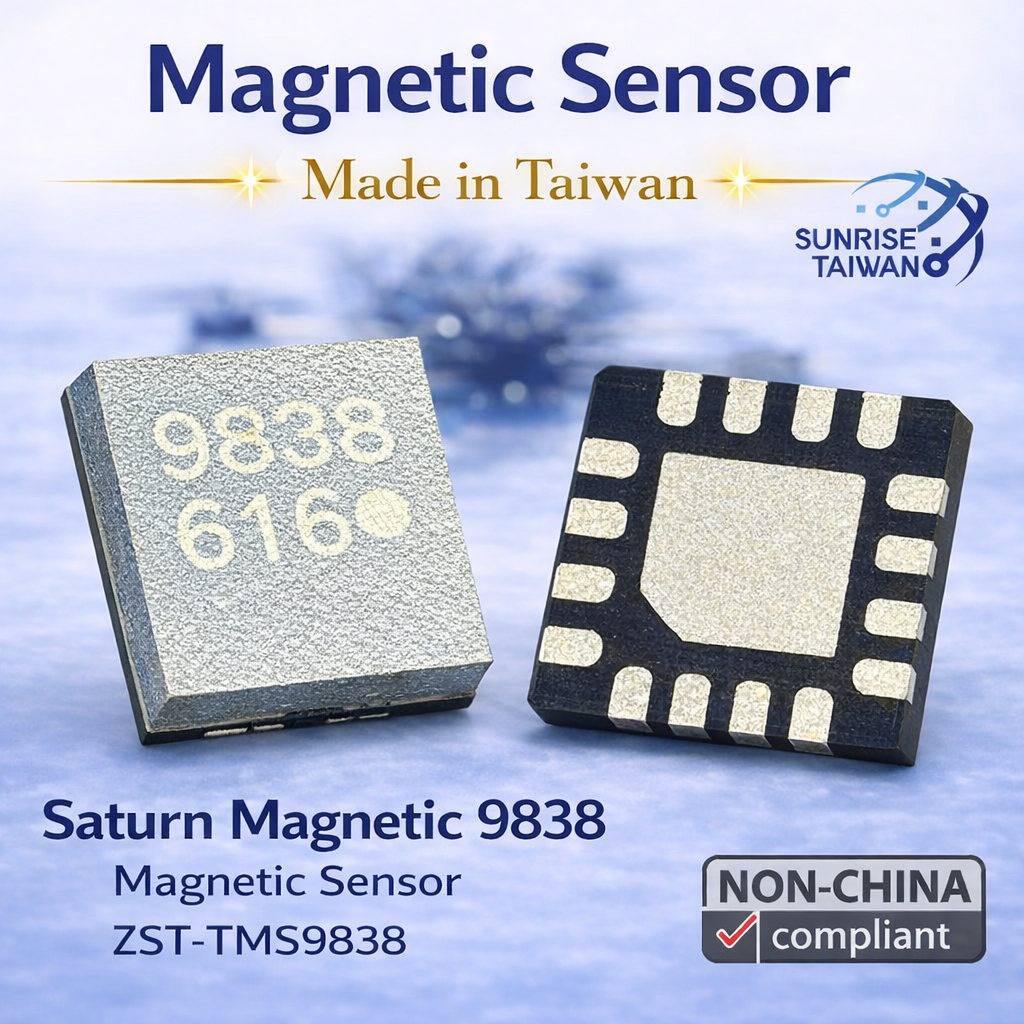
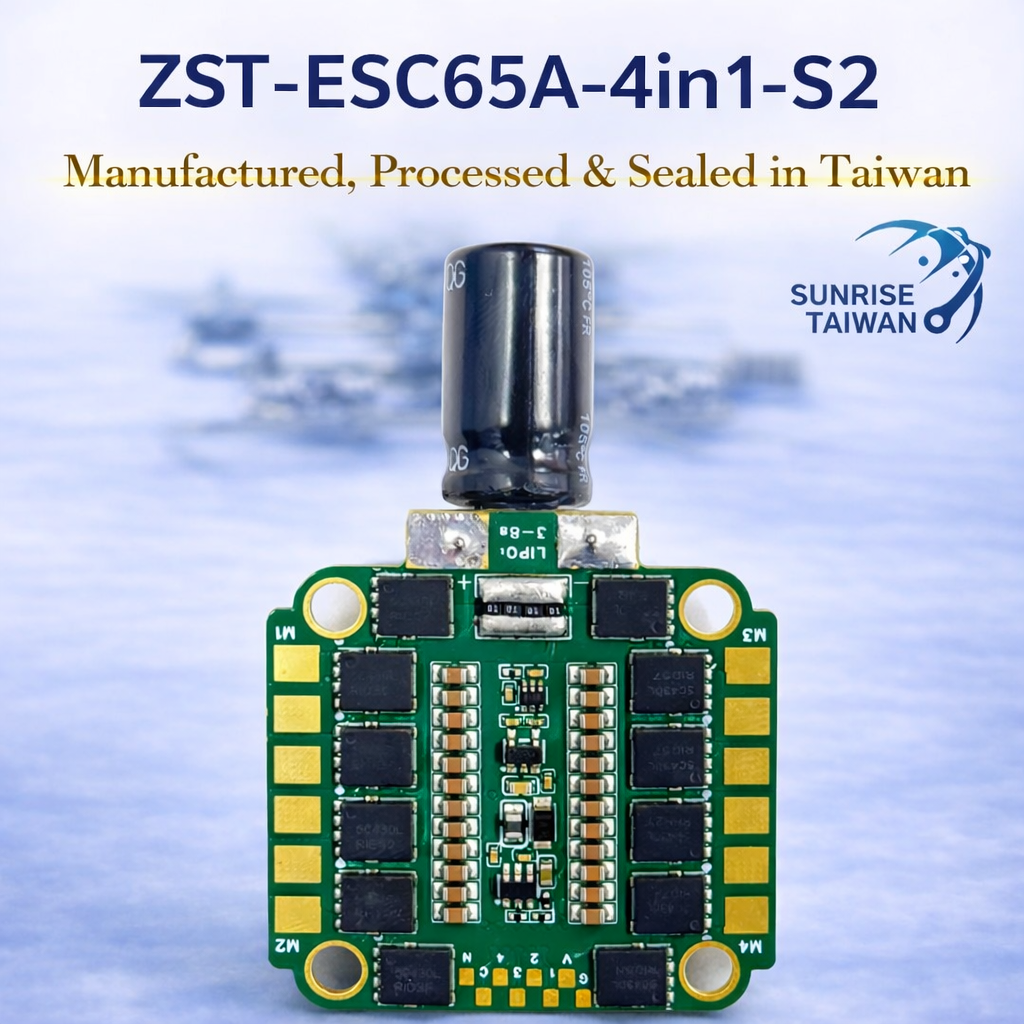
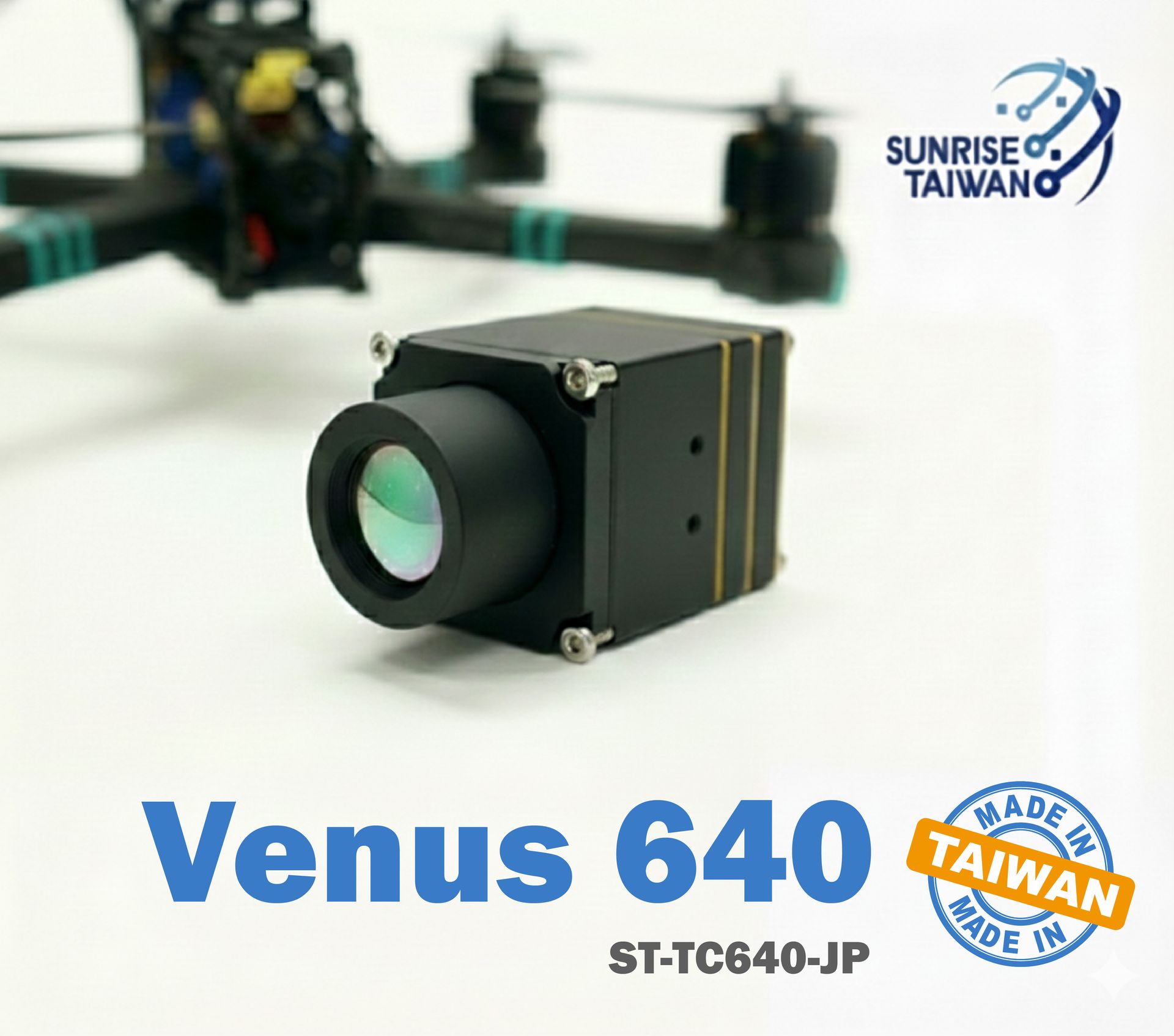
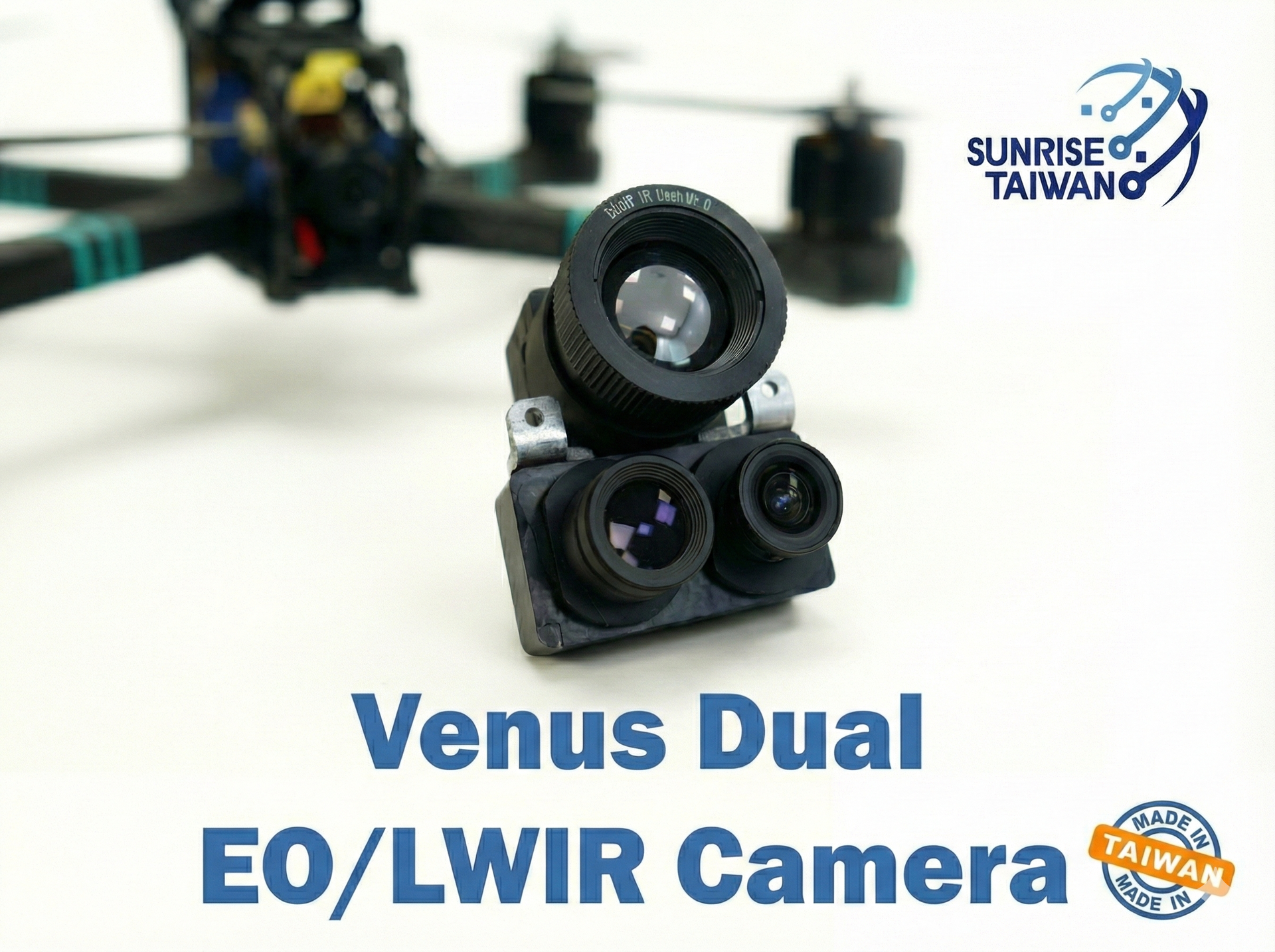
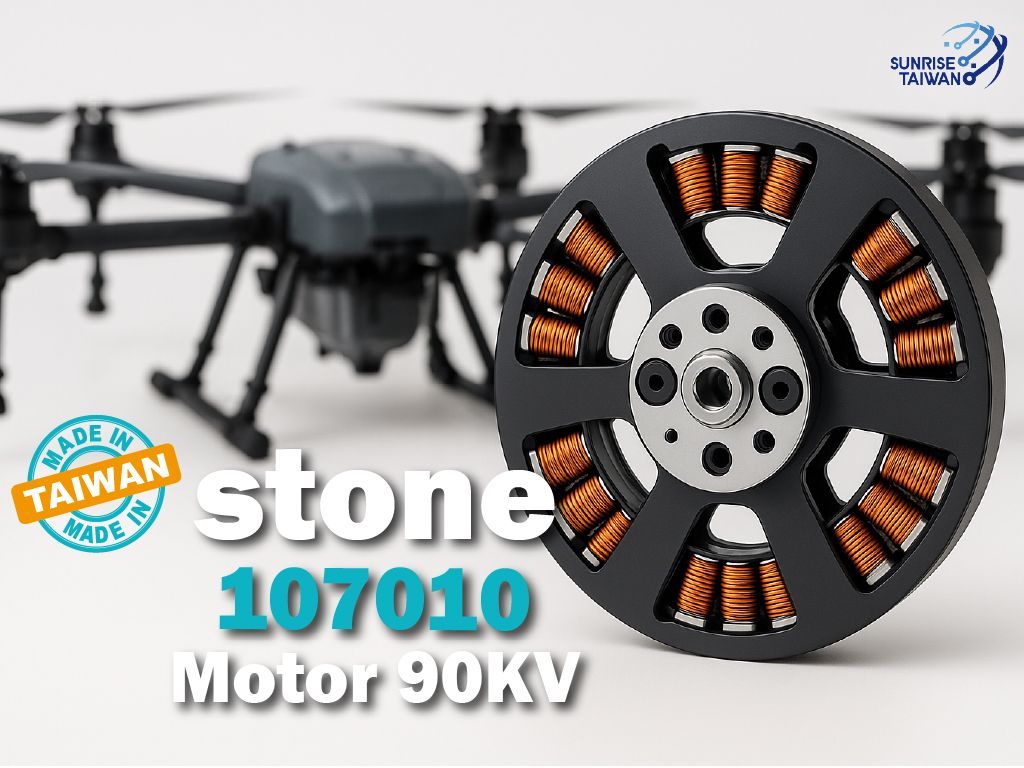
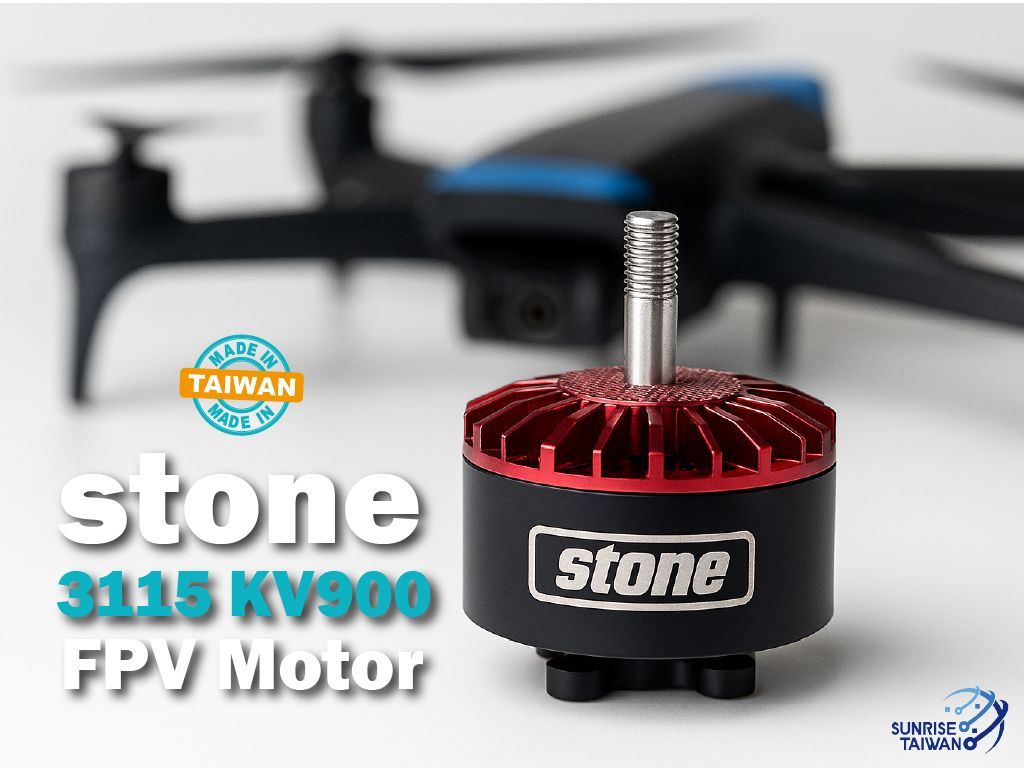
Stone 107010 Motor 900KV: Unmatched Power and Precision for large-sized agriculture and cargo drones