Arcturus ESC 4 in 1 65A: Secure Power Meets Precision for Next-Generation UAVs
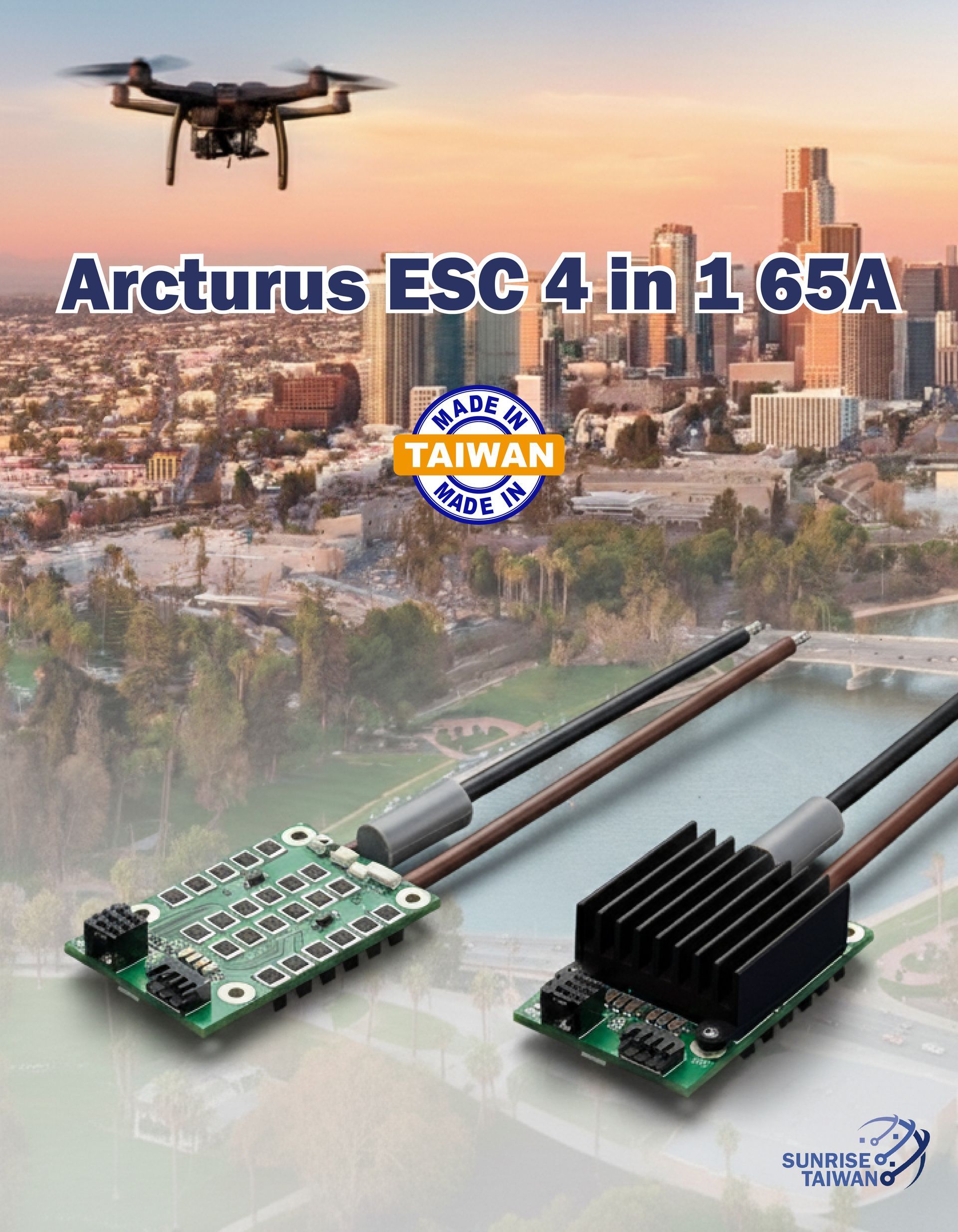
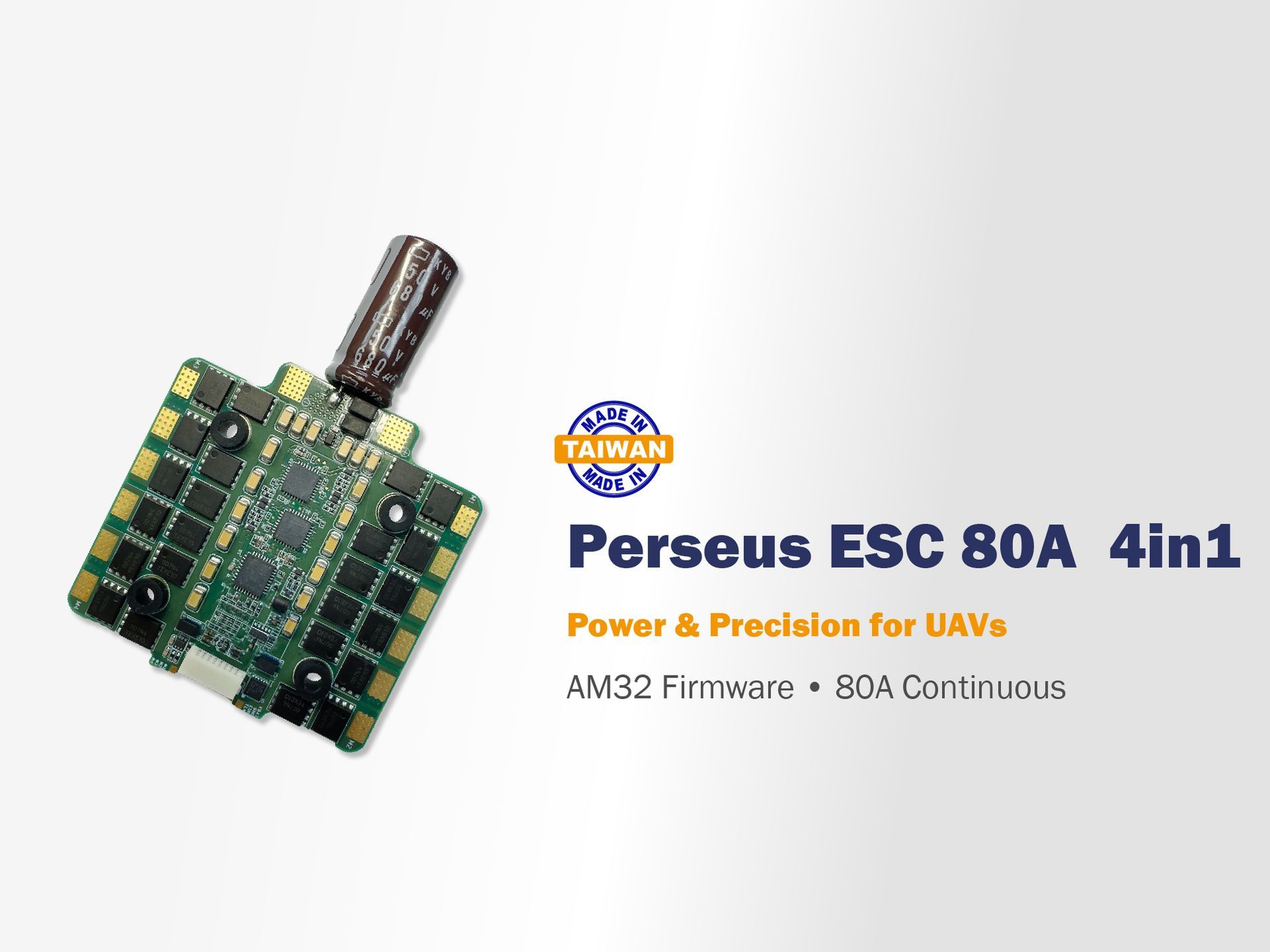
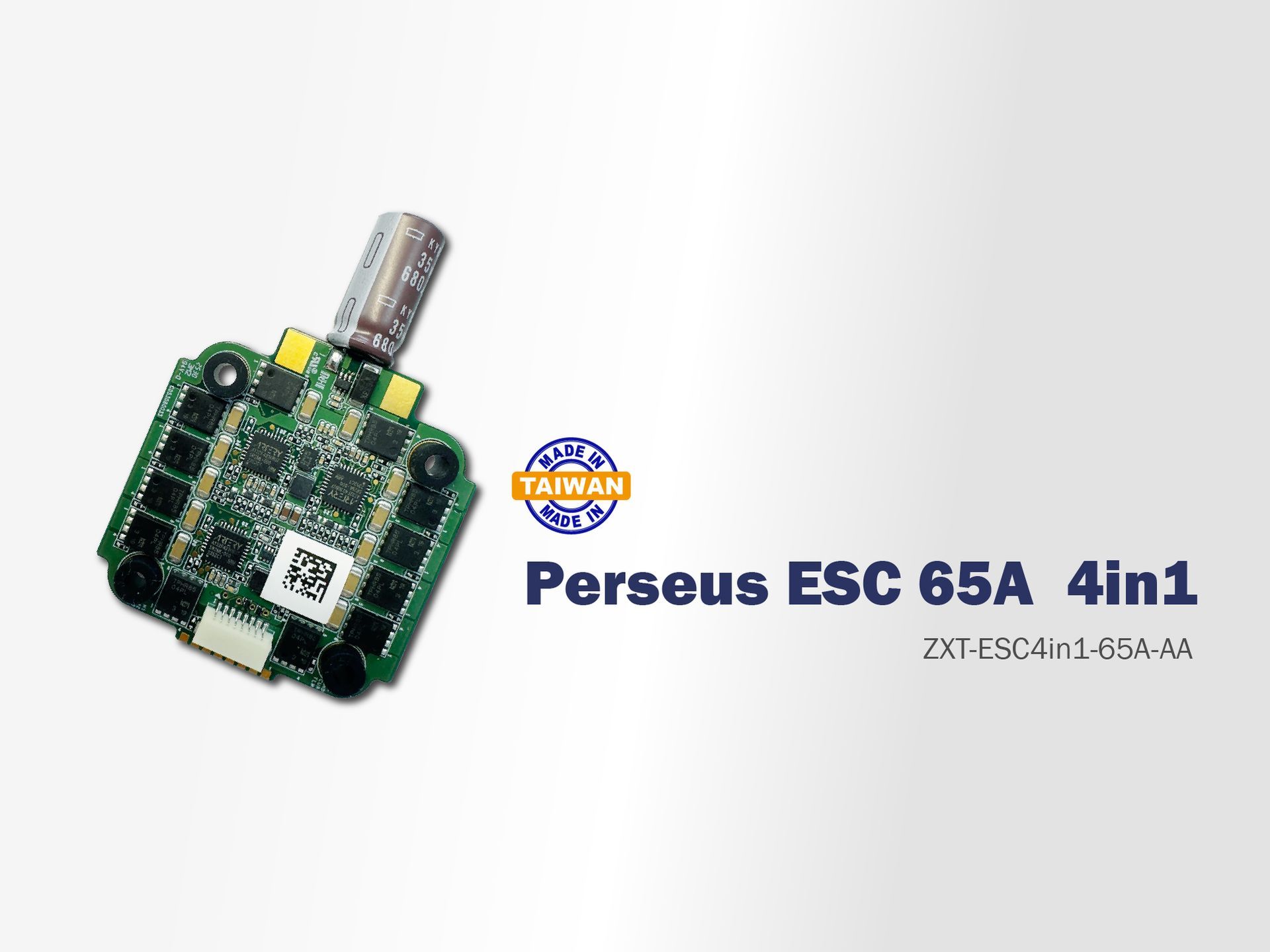
The Arcturus ESC 4 in 1 65A is a high-efficiency Electronic Speed Controller designed specifically for FPV and small-sized drones, delivering the perfect balance of robust power, advanced control, and unparalleled supply chain integrity. Built upon 15 years of specialized experience in high-reliability power electronics and compliant with NDAA requirements, this ESC ensures secure, stable, and high-performance flight across diverse critical applications.
Key Features
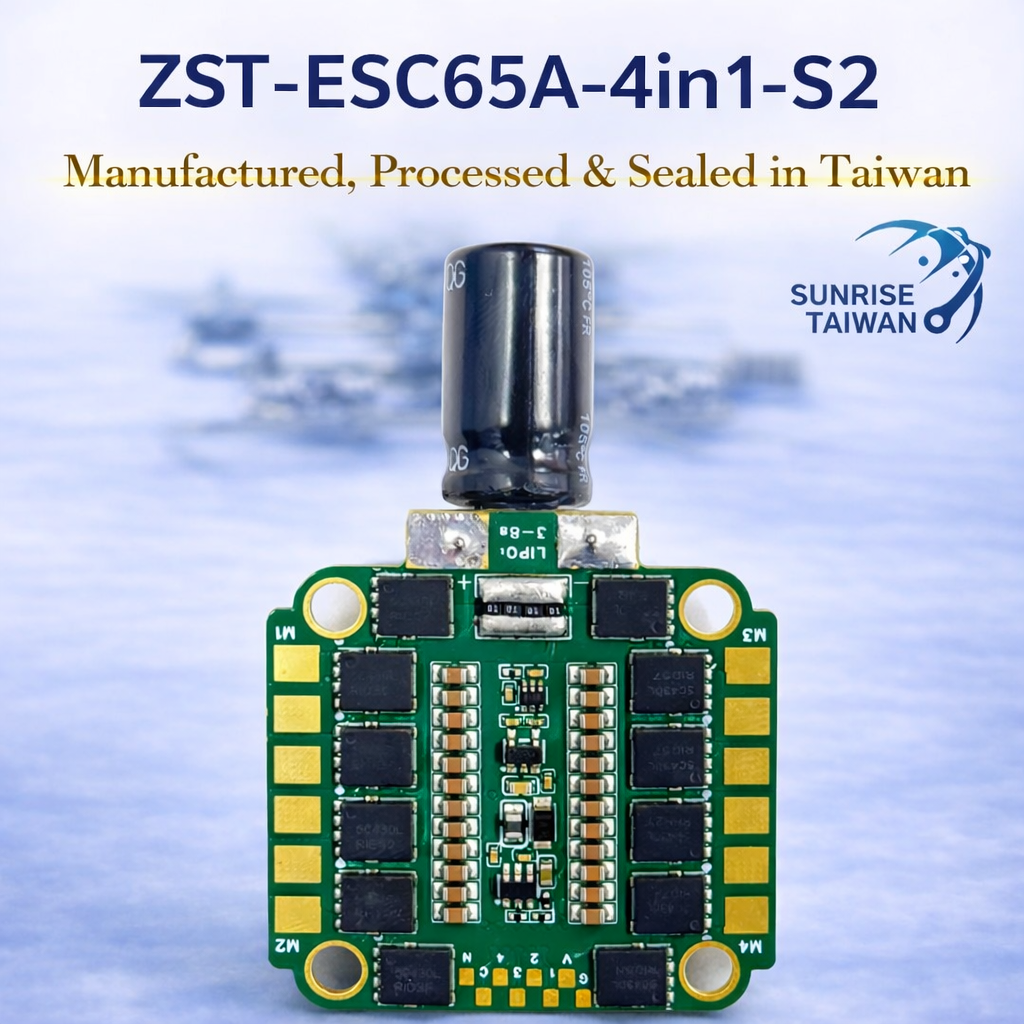
- Arcturus ESC 4 in 1 65A architecture – compact (66x42x11mm), lightweight (30g) integration with powerful 65A continuous output.
- Advanced Propulsion Control – utilizing Field-Oriented Control (FOC) and Space Vector Modulation (SVM) for superior efficiency and precision.
- Sensorless Design Reliability – enhanced robustness by eliminating physical sensors prone to vibration and mechanical failure.
- Industrial-Grade Thermal Management – double-sided cooling FETs and temperature protection for sustained demanding loads.
- NDAA Compliant & Taiwan Origin – secure, "Red-Free" supply chain for defense and government contracts.
Technical Specifications
- Current: 65A (rated) / 80A (peak) per motor
- Voltage: 3S-6S Li-Po
- Form Factor: PCBA (4-in-1)
- Input: CAN/PWM
🌍 Why Choose the Arcturus ESC 4 in 1 65A?
With its robust 65A continuous current capacity, advanced FOC/SVM motor control, and critical "Made in Taiwan" NDAA compliance, the Arcturus ESC 4 in 1 65A is the trusted choice for drone manufacturers and integrators seeking high-reliability components for defense, government, and industrial UAVs. Whether you’re building long-endurance inspection drones or precision FPV systems, this ESC delivers consistent performance, operational safety, and crucial supply chain security.
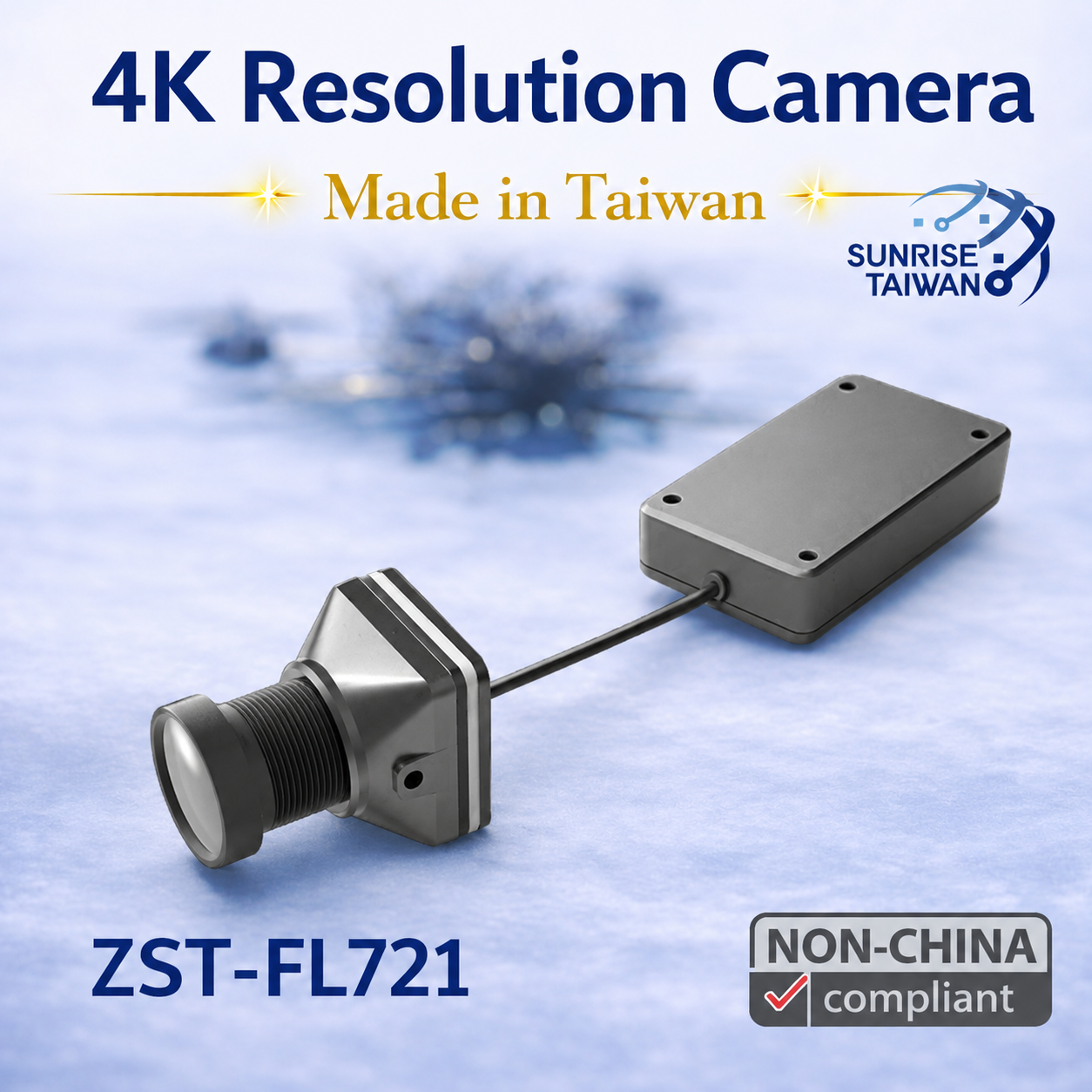
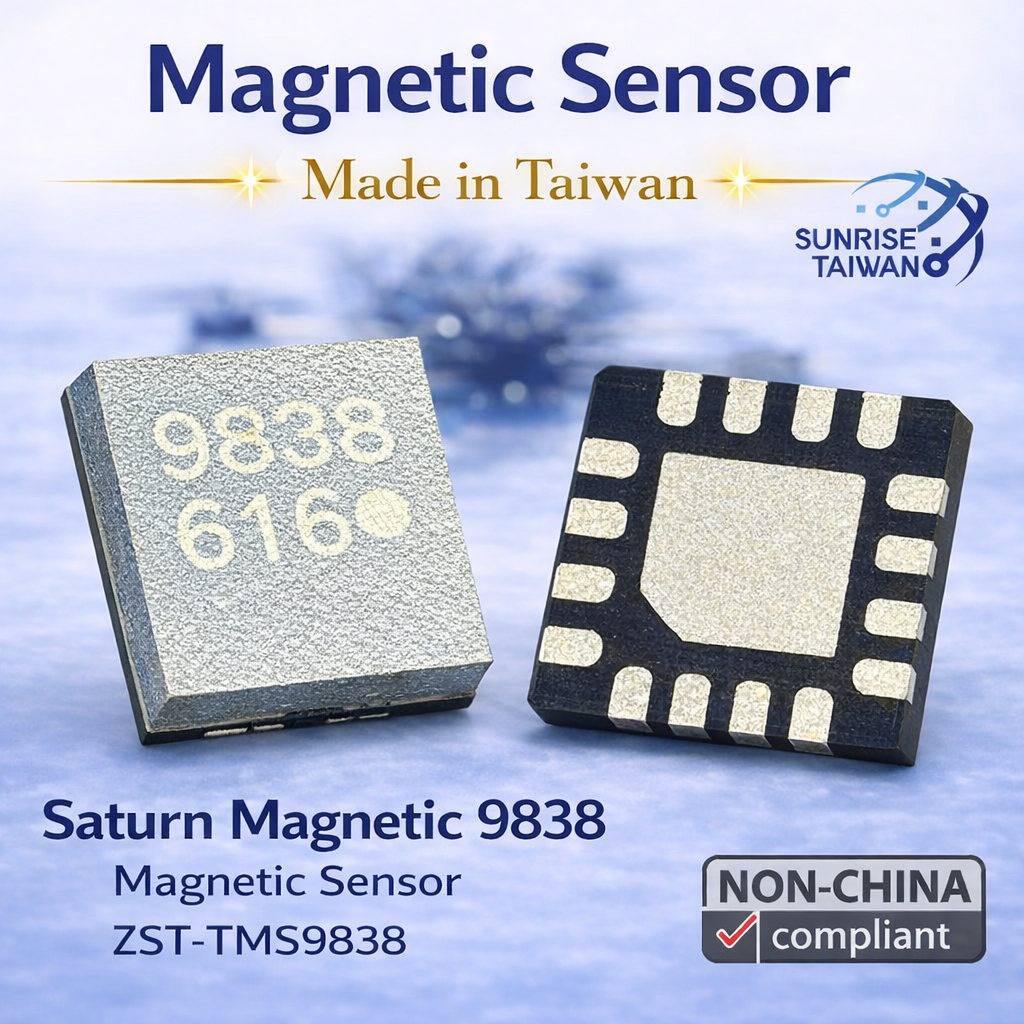
Components & Modules
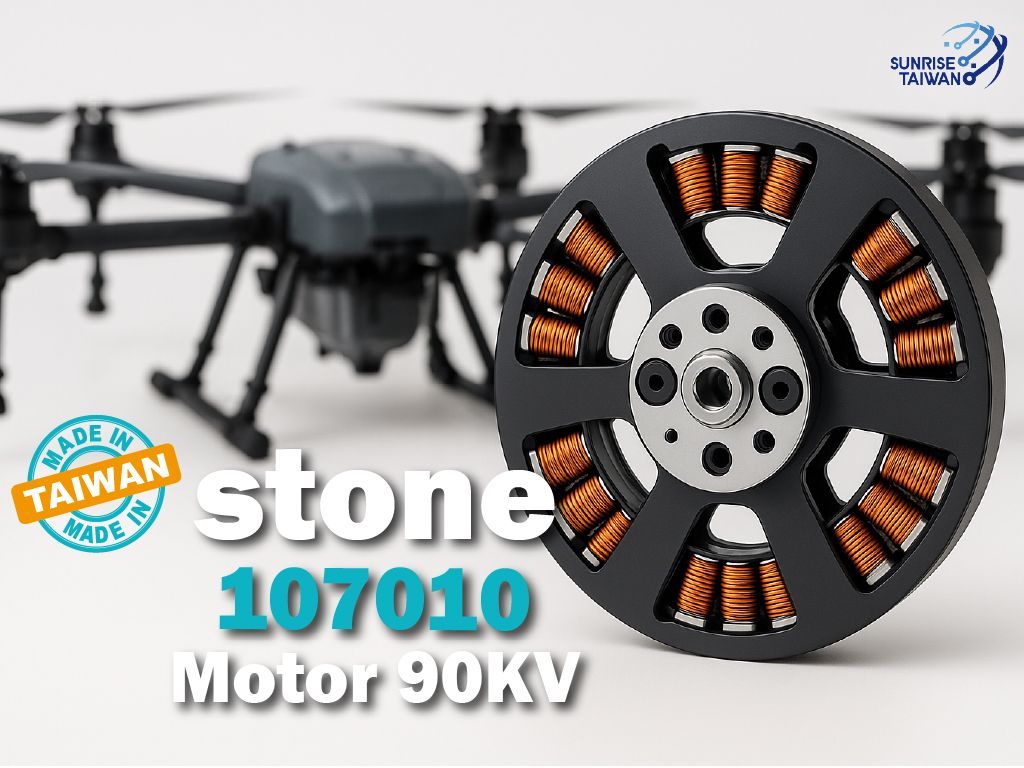
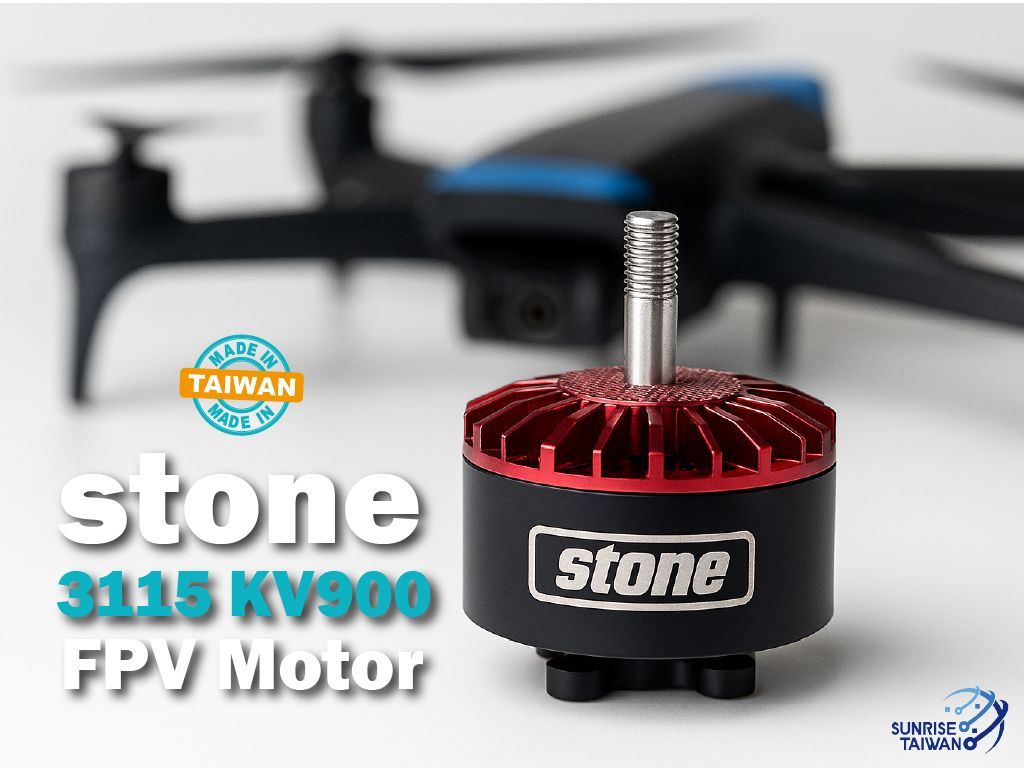
Stone 107010 Motor 900KV: Unmatched Power and Precision for large-sized agriculture and cargo drones