Mercury AIO II: AI-Powered Precision for Critical Person Search and Identification
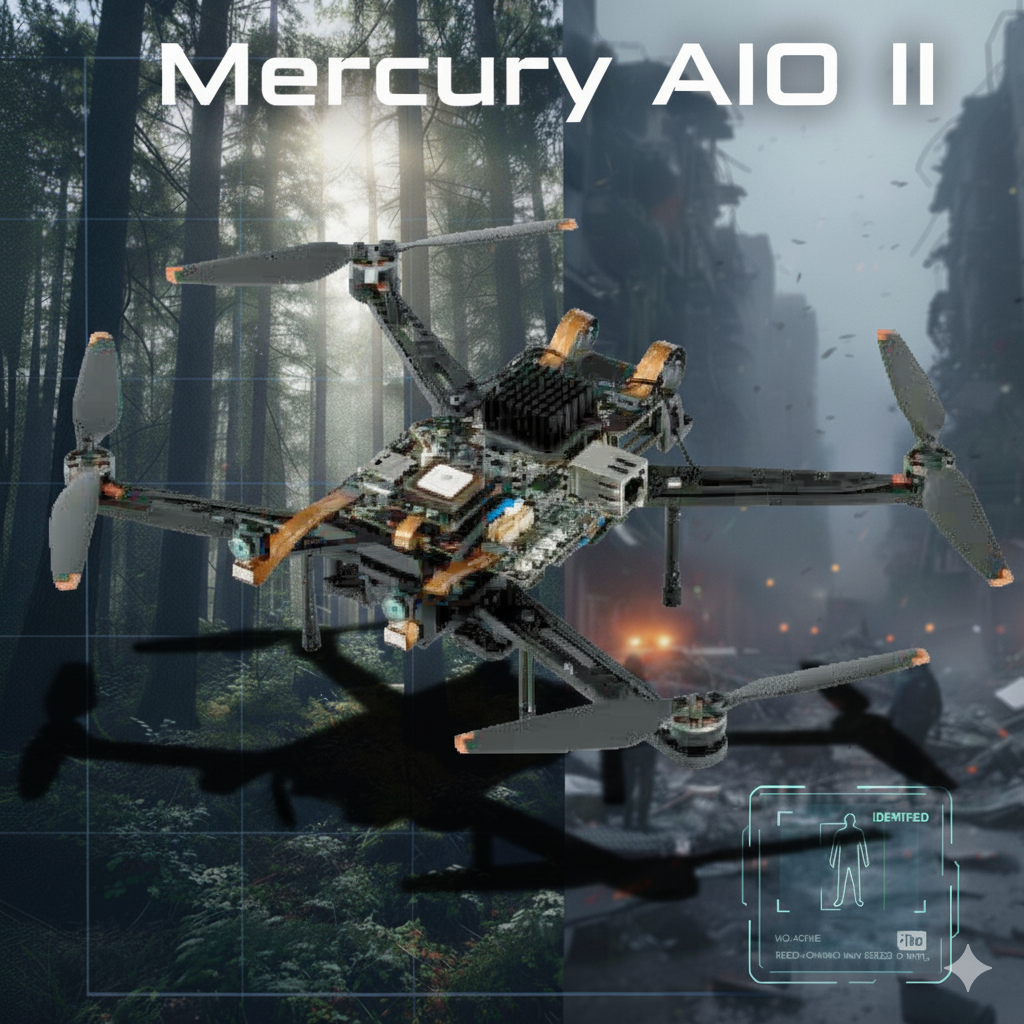
The Mercury AIO II is an advanced, all-in-one drone solution engineered for missions where the swift and accurate identification of individuals is paramount. At its heart lies a robust Qualcomm CPU, driving sophisticated AI capabilities that deliver superb person identification in real-time. This ready-to-fly UAV is purpose-built to provide an intelligent, unblinking eye for public safety, search and rescue, and other critical operations, offering unparalleled precision and autonomous intelligence to locate and monitor individuals in complex environments.
Key Features
Qualcomm-Powered AI for Superb Person Identification: Leveraging a robust Qualcomm CPU, the Mercury AIO II performs advanced, on-device AI inference for highly accurate and rapid person detection and identification, drastically improving efficiency in search and surveillance tasks.
Millimeter-Level Precision in Any Environment: Achieve reliable, pinpoint navigation even in GPS-denied zones like dense forests, urban structures, or disaster sites, ensuring comprehensive and precise coverage during person-centric missions.
Resilient, Real-Time Communication: Our proprietary tri-band video transmission system, with adaptive streaming and frequency hopping, guarantees a stable, low-latency, high-resolution video feed, maintaining continuous visual contact during crucial identification processes.
Rapid Deployment and Autonomous Capabilities: Designed for immediate operational readiness, the Mercury AIO II can be deployed swiftly, with embedded AI enabling autonomous scanning and flagging of individuals, allowing operators to focus on strategy rather than manual control.
Technical Specifications
- CPU: Robust Qualcomm CPU (7nm Qualcomm QRB5165)
- AI Capabilities: On-device AI for Person/Vehicle/Anomaly Detection from Qualcomm AI Hub
- Navigation Precision: Millimeter-level, GPS-Denied Navigation (Visual Inertial Odometry - VIO)
- Video Transmission: Proprietary Long-Range, Tri-Band Frequency Hopping, Adaptive Streaming
- Max Flight Time: Up to 33 minutes
- Max Speed: 55 mph
- Dimensions: Compact and lightweight for agile deployment
🌍 Why Choose the Mercury AIO II?
For missions centered on finding and identifying individuals, the Mercury AIO II stands alone. Its powerful Qualcomm CPU and advanced AI are specifically optimized to excel in person identification, offering an unmatched advantage in speed and accuracy. This intelligent drone reduces the time and resources required for critical search operations, providing clear, actionable intelligence and ultimately enhancing the safety and success of missions where identifying people is the main objective.
✨ Gain the intelligent edge in person search and identification.
Components & Modules
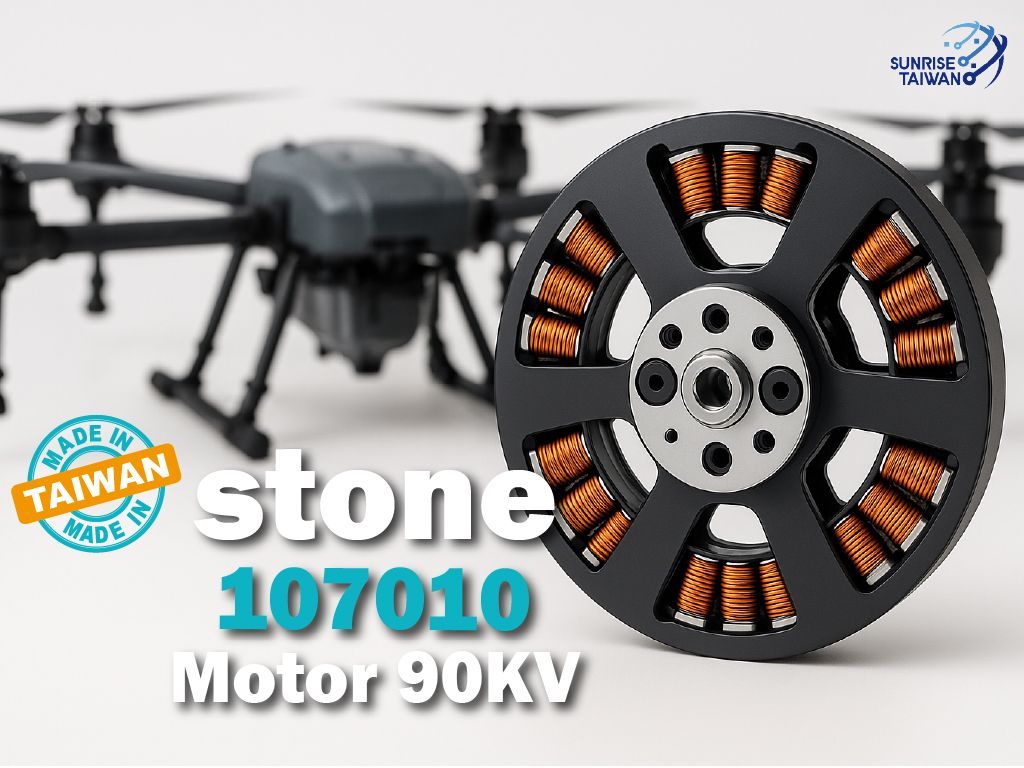
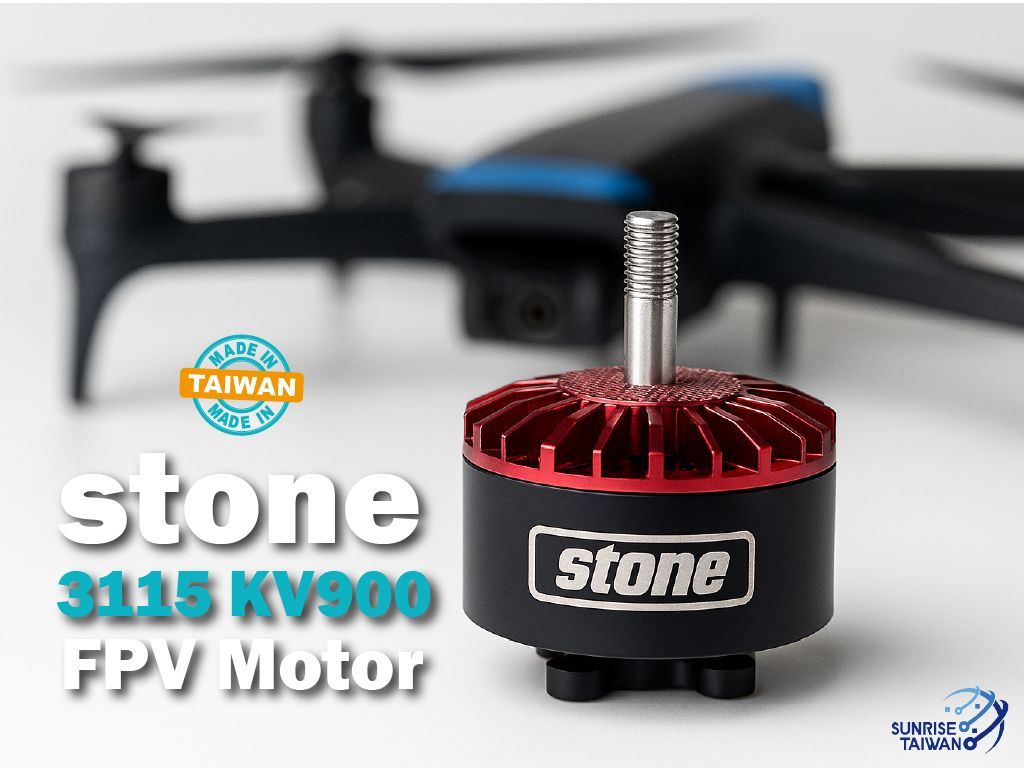
Stone 107010 Motor 900KV: Unmatched Power and Precision for large-sized agriculture and cargo drones